Search results for Tiananmen
Tiananmen community
One keyword maps to one global community path.
People
Not Found
Tweets including Tiananmen

Hong Kong court convicts Tiananmen vigil group of inciting subversion


Hong Kong Tiananmen vigil organiser, former leaders guilty of inciting subversion


Witnessing the Tiananmen Square flag raising ceremony offers visitors a unique glimpse into Chinese culture and national pride. This daily ritualcontinues regardless of weather conditions.
Show more


Cache of unseen Tiananmen Square protest pics show Chinese resistance and clashes with People's army up close


Hong Kong court jails two Tiananmen vigil group leaders for 7 years


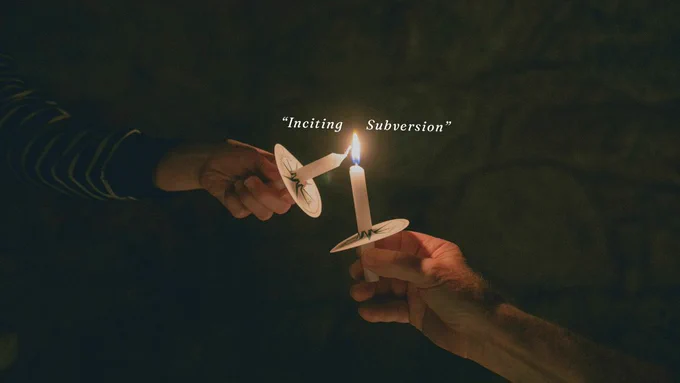
They Lit Candles for 1989 Tiananmen Square Massacre | A Court Called It “Inciting Subversion”
A Hong Kong court on August 21 convicted Lee Cheuk-yan, 69, and Chow Hang-tung, 41, former leaders of the disbanded Hong Kong Alliance, of inciting subversion for organizing annual Tiananmen vigils.
Continue Reading…
#TiananmenVigil# #HongKongNSL# #FreeChowHangTung# #RememberJune4# #ChinaAid#
Show more

State-run Photo Booth, Tiananmen Square, Beijing, 1978.
📸 Koichi Saito.


A Hong Kong court convicted two former organizers of the city’s annual Tiananmen Square vigils of inciting subversion, in a closely watched test of the national security law imposed by Beijing
Show more

Chow Hang-tung and Lee Cheuk-yan were convicted of subversion under Hong Kong’s national security law in connection with commemorating the Tiananmen Massacre. During mitigation proceedings, Chow was stopped by the judge after reading only the first few sentences of her mitigation statement.
Read her full statement translated into English and simplified Chinese from the original Cantonese by Human Rights in China:
Show more
