Search results for withOura
withOura community
One keyword maps to one global community path.
People
Not Found
Tweets including withOura

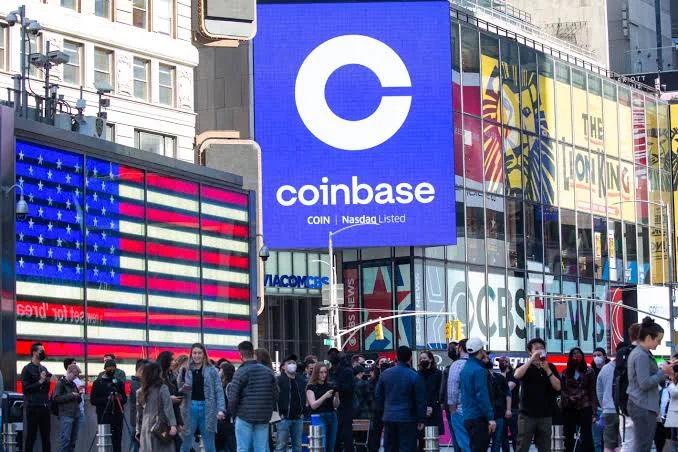
📢 𝗝𝗨𝗦𝗧 𝗜𝗡: $COIN Coinbase Expands Into IPOs, Offering U.S. Retail Customers Pre-Market Allocations
👉 𝗞𝗲𝘆 𝗛𝗶𝗴𝗵𝗹𝗶𝗴𝗵𝘁𝘀:
➤ 𝗖𝗼𝗶𝗻𝗯𝗮𝘀𝗲 launches IPO access for eligible 𝗨.𝗦. 𝗿𝗲𝘁𝗮𝗶𝗹 customers.
➤ Customers can request shares at the 𝗜𝗣𝗢 𝗼𝗳𝗳𝗲𝗿 𝗽𝗿𝗶𝗰𝗲.
➤ Rollout begins with 𝗢𝘂𝗿𝗮'𝘀 𝗜𝗣𝗢 through Coinbase's new IPOs page.
➤ Customers submit a 𝗖𝗼𝗻𝗱𝗶𝘁𝗶𝗼𝗻𝗮𝗹 𝗢𝗳𝗳𝗲𝗿 𝘁𝗼 𝗕𝘂𝘆 before allocations.
➤ IPO allocations may be 𝗳𝘂𝗹𝗹, partial, or unavailable depending on demand.
➤ Allocated shares become tradable when 𝗽𝘂𝗯𝗹𝗶𝗰 𝗺𝗮𝗿𝗸𝗲𝘁 trading begins.
➤ Selling within 𝟯𝟬 𝗱𝗮𝘆𝘀 may trigger a 𝟲𝟬-𝗱𝗮𝘆 IPO participation restriction.
➤ Repeated early selling could result in 𝘀𝗺𝗮𝗹𝗹𝗲𝗿 future IPO allocations.
➤ 𝗖𝗼𝗶𝗻𝗯𝗮𝘀𝗲 𝗖𝗮𝗽𝗶𝘁𝗮𝗹 𝗠𝗮𝗿𝗸𝗲𝘁𝘀 operates the service through Apex Clearing.
➤ CCM plans additional 𝗜𝗣𝗢 𝗼𝗽𝗽𝗼𝗿𝘁𝘂𝗻𝗶𝘁𝗶𝗲𝘀 as selling-group allocations become available.
👉 𝗪𝗵𝘆 𝗧𝗵𝗶𝘀 𝗠𝗮𝘁𝘁𝗲𝗿𝘀:
➤ Expands Coinbase beyond 𝗰𝗿𝘆𝗽𝘁𝗼 into traditional capital-market services.
➤ Gives eligible retail investors access to shares before 𝗼𝗽𝗲𝗻-𝗺𝗮𝗿𝗸𝗲𝘁 trading.
➤ Could broaden Coinbase's role as a 𝗺𝘂𝗹𝘁𝗶-𝗮𝘀𝘀𝗲𝘁 financial platform.
➤ Holding incentives aim to discourage immediate 𝗜𝗣𝗢 share flipping.
Show more

$COIN LAUNCHES IPO ACCESS FOR U.S. RETAIL INVESTORS, STARTING WITH OURA
Coinbase will now let eligible U.S. customers request IPO shares at the offer price before public trading begins.
The first deal available will be Oura’s upcoming IPO.
Users can submit a requested share amount through Coinbase, though allocations are not guaranteed and may be filled fully, partially or not at all depending on demand.
Coinbase is also adding an anti-flipping rule: investors who sell IPO shares within 30 days may be blocked from participating in future IPOs for 60 days, while repeated early selling could reduce future allocations.
The service is offered through Coinbase Capital Markets, its FINRA-registered broker-dealer.
Show more
OURA IS GOING PUBLIC.
The smart-ring maker just filed its S-1 and plans to list on Nasdaq under $OURA. The filing gives the first detailed look at how fast the business has grown:
For the 9 months ended June 30:
• Revenue: $1.21B, +74% YoY
• Net income: $60.8M vs. $1.6M a year ago
• Adjusted EBITDA: $106.7M
• Gross margin: 55% vs. 51%
• Operating cash flow: $328M vs. $135M
• Rings sold: 3.1M, +75% YoY
• Paid members: 5.0M, up from 2.5M
The interesting part is the subscription business.
Oura generated $240.5M in membership revenue, up 121% YoY, with an 89% gross margin. Paid membership costs $5.99/month or $69.99/year in the U.S., and roughly 63% of new members chose an annual plan.
12-month paid member retention sits around 85%.
Oura is still primarily a hardware company today. Around 80% of revenue comes from hardware and 20% from memberships. Hardware generated $974M in the first 9 months of FY26, with average revenue per ring of $311.
Retail is also becoming a major distribution channel. Roughly 49% of hardware revenue now comes through retail, with Oura sold through Amazon, Best Buy, Costco, Target and others.
There is still a large U.S. concentration, with less than 20% of hardware revenue currently coming from outside the U.S.
Oura launched Ring 5 in June, priced from $399 to $499, and now serves 5M paid members across 56 markets.
One thing to watch: Oura disclosed that certain Ring 4 units experienced battery issues that increased warranty claims and costs.
As of June 30, Oura had $371.8M in cash and $380.1M in debt. It generated $328M in operating cash flow over the first nine months of FY26.
The IPO price range, share count and expected valuation have not yet been disclosed.
Goldman Sachs, Morgan Stanley, JPMorgan, Allen & Company and Jefferies are among the lead underwriters.
This is increasingly looking less like a pure wearable hardware story and more like a hardware + recurring health subscription business, although hardware still accounts for the vast majority of revenue today.
Show more
