Search results for Bright_cos
Bright_cos community
One keyword maps to one global community path.
People
Not Found
Tweets including Bright_cos

COSMIC. my debut fragrance launching March 7.
cosmic is a sweet, warm floral, elevated scent that is perfect for day and night.
meet the notes:
✦ opening: star jasmine (floral, sweet) + blood orange (bright, citrusy)
✦ heart: golden amber accord (rich) + red peony accord (soft, sweet, floral)
✦ base: vanilla musk accord (creamy, addictive) + cedarwood (woody, warm)
Show more


On the first day of school in Japan,
a six-year-old walks out the door
carrying a leather bag
that cost her parents around $500.
It is called a randoseru.
Hand-stitched. Real leather. Rigid frame.
Bright red for the girls.
Deep black for the boys.
She will use this one bag every single day for six years.
At the end of six years:
the leather will still hold its shape.
The buckles will still snap crisp.
The name written inside will still be legible.
Sometimes, the bag will be passed down to her own child.
Some countries give a child a plastic backpack
that lasts one year.
Japan gives a six-year-old
a piece of leather
that will graduate elementary school with her,
carry every drawing she ever made,
hold every lunchbox her mother packed,
and, if she is lucky,
sit on her own child's shoulders one day.
Because a first day of school
is not a small thing.
Show more


Pure idol magic on stage! 💖✨ Watch her spin and light up the hall with catchy steps and bright pink energy. Ready to groove? ✨🎵👇
#cosplay# #lindo# #رقص# #cute# #косплей#
Show more


Qwen3.8-27B on 1500$ oh hardware.
This is the realistic local AI experience for most people, for tons of reasons including complexity, costs, and over abundance of configs.
Still, usable. GLM-4 was about 30 tok/s at peak
The future is bright.
Goodnight friends.
Show more


There was a chapter in our history class when I was a kid dedicated to the late Queen Mother 慈禧 of the late Qing on how anti-machine she was and how her anti-industrialism cost a nation.
Once given an early Duryea as a gift, she was offended: sitting in the driver's seat seemed a slave's place, as she had always ridden in a palanquin.
Her disdain for machines led her to reallocate the shipyard budget to her private royal garden. Many of her supporters, also anti-machinists, sought to destroy any traces of machines.
Thus, while the Western world accelerated during the Industrial Revolution, the late Qing enforced stricter deceleration and forced industrialists into exile.
The class's closing remark was that we had much catching up to do and must work hard. Western history books omit what happens when you fall behind. Your destiny is not yours until you can build.
The West has benefited from rare bright builders who advance civilization, yet like consciousness they can be blown out like a candle.
When I saw the robotic competition, that was the first thing that came to mind.
Don’t be 慈禧.
Show more

Fact: Tech saves lives and brings prosperity. Example: driving.
Your commute is likely the most dangerous thing you did today.
In the future, that won't be true.
A century ago, driving in America cost 24 lives per 100 million miles. Engineers have fought that number down to about one. Autonomous vehicles are the next leap. They can be more than 10x safer than human drivers.
It's also an example of tech working well with regulators.
This is what technology does for humanity. The future is bright! Credit to @WSJ for this great chart and props to all the engineers working on Autonomous Vehicles.
Show more


𝗘𝗺𝗽𝗼𝘄𝗲𝗿 𝘁𝗵𝗲 𝗙𝘂𝘁𝘂𝗿𝗲 𝗼𝗳 𝗜𝗻𝗱𝗶𝗮𝗻 𝗘𝗱𝘂𝗰𝗮𝘁𝗶𝗼𝗻! 𝗝𝗼𝗶𝗻 𝗡𝗧𝗔 𝗮𝘀 𝗮 𝗬𝗼𝘂𝗻𝗴 𝗣𝗿𝗼𝗳𝗲𝘀𝘀𝗶𝗼𝗻𝗮𝗹! 🇮🇳
National Testing Agency (NTA) is undertaking a massive institutional rebuild and is looking for 16 exceptionally bright minds to join us as YPs. If you are a UPSC Civil Services aspirant registered on the 𝗣𝗿𝗮𝘁𝗶𝗯𝗵𝗮 𝗦𝗲𝘁𝘂 𝗣𝗼𝗿𝘁𝗮𝗹, this is your chance to directly impact how India's highest-stakes exams (JEE, NEET, CUET, UGC-NET) are designed, governed, and financed!
𝗧𝗵𝗲 𝗠𝗶𝘀𝘀𝗶𝗼𝗻 𝗞𝗲𝘆 𝗗𝗲𝗹𝗶𝘃𝗲𝗿𝗮𝗯𝗹𝗲𝘀 𝗯𝘆 𝗦𝘁𝗿𝗲𝗮𝗺:
𝗔𝗰𝗮𝗱𝗲𝗺𝗶𝗰 𝗥𝗲𝘀𝗲𝗮𝗿𝗰𝗵 (𝟭𝟮 𝗣𝗼𝘀𝘁𝘀):
• 𝗧𝗵𝗲 𝗞𝗥𝗔: Act as the academic engine of the NTA. You will analyze exam patterns and demographic performance data, support subject-matter experts in designing robust question banks, and build comprehensive research repositories on global assessment methodologies.
• 𝗜𝗱𝗲𝗮𝗹 𝗳𝗼𝗿: Postgraduates/PhDs in relevant exam subjects with a research or teaching background.
𝗟𝗲𝗴𝗮𝗹 𝗥𝗲𝘀𝗲𝗮𝗿𝗰𝗵 (𝟮 𝗣𝗼𝘀𝘁𝘀):
• 𝗧𝗵𝗲 𝗞𝗥𝗔: Fortify NTA's legal framework. You will conduct deep legal research on exam-related litigation, draft critical affidavits and pleadings for High Courts and the Supreme Court, analyze case laws, and ensure seamless regulatory compliance.
• 𝗜𝗱𝗲𝗮𝗹 𝗳𝗼𝗿: LLM graduates with prior experience in litigation support or legal research.
𝗙𝗶𝗻𝗮𝗻𝗰𝗲 & 𝗔𝗰𝗰𝗼𝘂𝗻𝘁𝘀 𝗥𝗲𝘀𝗲𝗮𝗿𝗰𝗵 (𝟮 𝗣𝗼𝘀𝘁𝘀):
• 𝗧𝗵𝗲 𝗞𝗥𝗔: Drive financial sustainability and precision. You will spearhead multi-year budgeting, conduct granular per-candidate cost analyses, manage financial appraisals for new tech/infrastructure projects, and navigate statutory audits.
• 𝗜𝗱𝗲𝗮𝗹 𝗳𝗼𝗿: Postgraduates in Commerce/Economics/Finance or CA/CMA/CS professionals.
𝗞𝗲𝘆 𝗗𝗲𝘁𝗮𝗶𝗹𝘀 𝗼𝗳 𝘁𝗵𝗲 𝗘𝗻𝗴𝗮𝗴𝗲𝗺𝗲𝗻𝘁:
• 𝗥𝗲𝗺𝘂𝗻𝗲𝗿𝗮𝘁𝗶𝗼𝗻: ₹80,000 per month (Fixed, Consolidated)
• 𝗟𝗼𝗰𝗮𝘁𝗶𝗼𝗻: NTA Head Office, New Delhi
• 𝗗𝘂𝗿𝗮𝘁𝗶𝗼𝗻: 24 months (Extendable up to 36 months)
• 𝑴𝒂𝒏𝒅𝒂𝒕𝒐𝒓𝒚 𝑹𝒆𝒒𝒖𝒊𝒓𝒆𝒎𝒆𝒏𝒕: You must have appeared for the Civil Services Examination (CSE) and be registered on the UPSC Pratibha Setu portal to be eligible.
𝗖𝗵𝗲𝗰𝗸 𝘆𝗼𝘂𝗿 𝗲𝗹𝗶𝗴𝗶𝗯𝗶𝗹𝗶𝘁𝘆 𝗮𝗻𝗱 𝗮𝗽𝗽𝗹𝘆 𝘃𝗶𝗮 𝘁𝗵𝗲 𝗨𝗣𝗦𝗖 𝗣𝗿𝗮𝘁𝗶𝗯𝗵𝗮 𝗦𝗲𝘁𝘂 𝗣𝗼𝗿𝘁𝗮𝗹 𝘁𝗼𝗱𝗮𝘆!
#NTA# #NationalTestingAgency# #PratibhaSetu# #UPSC# #CivilServices# #YoungProfessionals# #Hiring# #JobsInDelhi# #PublicPolicy# #GovtJobs# #CareersAtNTA#
Show more


Happy Earth Day!
Thank you to our owners, employees & advocates.
Tesla wouldn’t exist without your support.
For the last 22 years, we’ve been working tirelessly to build a world that:
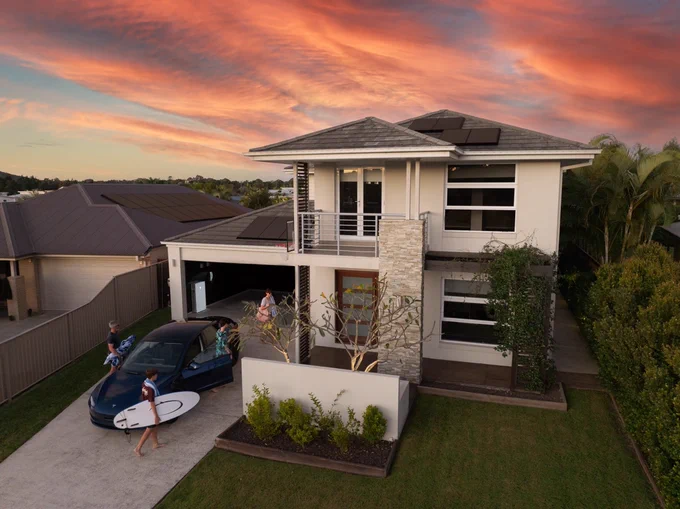
– is transported by electric vehicles
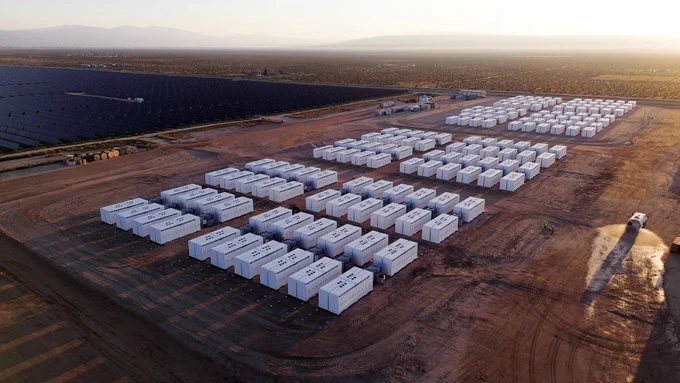
– is powered by solar energy
– runs on batteries
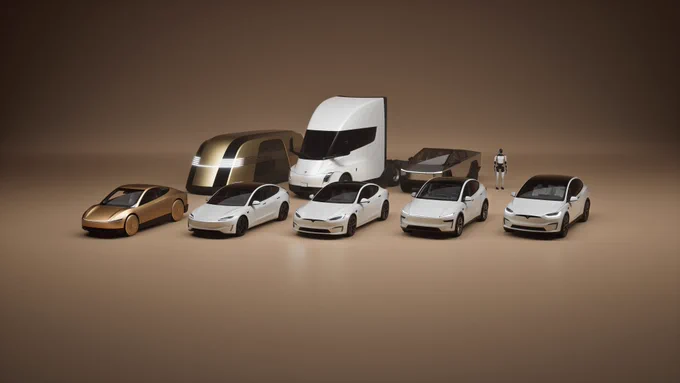
Teslas are among the most energy-efficient vehicles on the road – combined with the lowest maintenance costs of any new vehicle in America, this enables S3XY & @Cybertruck to further reduce resource use & waste at scale.
Most importantly, abundance & sustainability are not mutually exclusive. In fact, tech is what ultimately enables the scale of a fully renewable economy.
This is why our mission includes:
Robotaxi = ultra low-cost, premium point-to-point electric transport, making sustainable mobility accessible to more people
Optimus = automating repetitive & dangerous labor to transform industrial work & scale output sustainably
TL;DR, the future for Earth is bright 🌎❤️
Show more

What she did next defied all expectations. When Alice Walton stepped into her massive inheritance from Walmart, she became one of the wealthiest women on the planet, sitting atop a fortune that currently rivals the GDP of entire nations.
Most people look at a number that large and see a score to be guarded—a hoard to be protected at all costs. But Alice looked at her billions and saw a powerful tool to change the world.
Alice was born in 1949 and grew up watching her father, Sam Walton, transform a small, dusty five-and-dime store into a global retail empire. Her father was famously frugal, driving an old pickup truck even when he became one of the richest men in the world.
When he passed away in 1992, he left his children a massive mountain of capital.
While her brothers, Jim and Rob, stepped straight into the corporate boardrooms to keep the family business thriving, Alice chose a path that was much less predictable. Her heart was never under the bright fluorescent lights of a department store. Her eyes were always drawn to the walls instead of the balance sheets.
"Art was always a lifeline for me, a way to see the world through a completely different lens," Alice once shared when reflecting on her childhood. She started collecting art at a young age, but she eventually realized that keeping beautiful things locked away in a private living room didn't do the world any good.
In 2011, she shocked the global art community by opening the Crystal Bridges Museum of American Art in Bentonville, Arkansas.
It was a massive 1.2 billion dollar gamble, and big-city critics in New York and London initially laughed at the idea. They couldn't understand why world-class masterpieces by iconic artists like Andy Warhol, Georgia O’Keeffe, and Jackson Pollock were being sent to a tiny town of 50,000 people in the rural Ozarks. They dismissed it as a billionaire’s expensive hobby.
Alice ignored the critics completely.
She had a vision that was radical in its simplicity. "Why shouldn't a kid from a rural trailer park have the same access to the soul of American culture as a socialite living on the Upper East Side?" she noted before the opening. To make sure that dream came true, she made a bold decision: admission to the museum would be completely free for everyone.
The gamble paid off in a huge way. Since the doors opened, over six million people have walked through the halls of Crystal Bridges. It didn't become a playground for elite critics. Instead, it filled up with local school groups, working families, and travelers who finally had a reason to stop in rural Arkansas.
By removing the price tag, Alice tore down the invisible wall that usually separates everyday people from high culture, proving that art belongs to everyone, not just the wealthiest zip codes.
But her ambition didn't stop with art. Recently, she turned her attention from the spirit to the body, addressing a major crisis facing rural America: a desperate shortage of doctors. She founded the Alice L. Walton School of Medicine in her home state.
To build a healthcare system that actually serves forgotten communities, she made another incredible announcement. For the first classes of the school's operation, the students would pay absolutely zero tuition.
"We have to change how we think about medicine," she stated during the development of the school. "It is about teaching new doctors to focus on whole-health, treating the entire person rather than just the disease, and making sure they can afford to practice where they are needed most."
Alice's story isn't a traditional rags-to-riches tale, and her philanthropy doesn't magically erase the deep public debates about wealth inequality or corporate labor practices. However, her choices provide a fascinating lesson in what it means to live with intention. For many ultra-wealthy individuals, money is an addiction where the hunger only grows the more you consume. They spend their entire lives trying to turn billions into even more billions, trapped in a loop of endless accumulation.
Alice broke that cycle.
She saw that while wealth can trap you in wanting more and more, it can also help free someone else. She knew that the real worth of money is not in keeping it, but in giving it away.
Show more


Created with Seedance 2.5 ✨🎤
POV: you wake up barely functioning and somehow end the day under stage lights 😭✨✨
Prompt👇
CAMERA: Handheld DV 16mm camcorder aesthetic. CHASE records herself throughout every location, mostly holding the camera directly and occasionally setting it down for brief hands-free shots. Preserve natural hand tremors, crooked composition, slow autofocus correction, awkward zooms, accidental face cropping, and moments where the framing briefly loses her. The physical camcorder is never visible.
LOOK: Authentic soft tape-image texture with mild blur, subtle electronic grain, glowing highlights, small automatic-exposure fluctuations, restrained contrast, and natural skin tones. The lighting changes realistically between locations: warm morning light in the apartment → cooler daylight inside the car → intense colorful lighting backstage and onstage.
STYLE: A fast, energetic day-in-the-life montage with sharp cuts between locations and slightly accelerated transitional movement. Reflective voiceover plays over the footage instead of synchronized dialogue. The pace gradually builds from a quiet sleepy morning into a high-energy performance finale.
Character
CHASE — an exceptionally beautiful Instagram influencer and rising pop performer in her 20s. Long glossy dark-brown hair, striking symmetrical features, large expressive eyes, flawless glowing skin, and soft pink lips. Slim, toned figure. Her outfit changes with each location: cozy loungewear at home, stylish casual clothing during the ride, and a glamorous performance outfit for the final scene. Each outfit fully covers her arms and torso.
Setting Progression
Stylish apartment bedroom in the morning → luxury van interior during the day → busy backstage area and concert stage at night.
Storyboard — 15 seconds, 5 cuts
(~3s, bedroom, camera resting on a table, soft morning light) She slowly sits up, stretches, fixes her messy hair, and hurriedly packs a small bag. VOICEOVER (CHASE): “Some mornings begin before I’m even fully awake.”
(~3s, van interior, handheld selfie footage, natural window light) She sits beside the window as sunlight moves across her face, casually checking messages on her phone. VOICEOVER (CHASE): “I spend so much time on the road, this place almost feels like home.”
(~3s, van interior, macro detail shot) Close-up of her fingers choosing a song from a playlist while passing sunlight flickers across the screen and her hand. No voiceover, only natural road noise.
(~3s, backstage, fast handheld montage) Quick glimpses of makeup brushes, hair styling, costume adjustments, staff rushing past, and her taking one focused breath before going onstage. VOICEOVER (CHASE): “And then everything suddenly starts moving at once.”
(~3s, stage, wide shot moving into a close-up, energetic finale) Bright stage lights ignite as she steps through the curtains. The camera catches her silhouette, then a brief confident smile before the image cuts to black. VOICEOVER (CHASE): “This moment is why I keep doing it.”
Try it on Ima Studio 👉
#Seedance25# #AIVideo# #ImaStudio# #VisualStorytelling#
Show more
