
Jeffrey Currie 🆔++
@CommodMkt
Founder & CEO, Real Macro. Co-Founder & Dir. 1947 Oil & Gas. Carlyle Advisor. UChicago EPIC Chair. Non-Exec Dir, Abaxx Tech, Aleph, Borr, Energy Aspects, IPULSE
参加 September 2021
200 フォロー中 79.6K ファン
We’re in a critical situation right now - there’s no easy fix to a lack of refinery capacity, a lack of strategic reserves and products, and now-depleted crude reserves.
A route to partial normalisation would be looking to China to release spare refining capacity, which seems to be happening, but a return to full normalisation is unlikely any time soon.
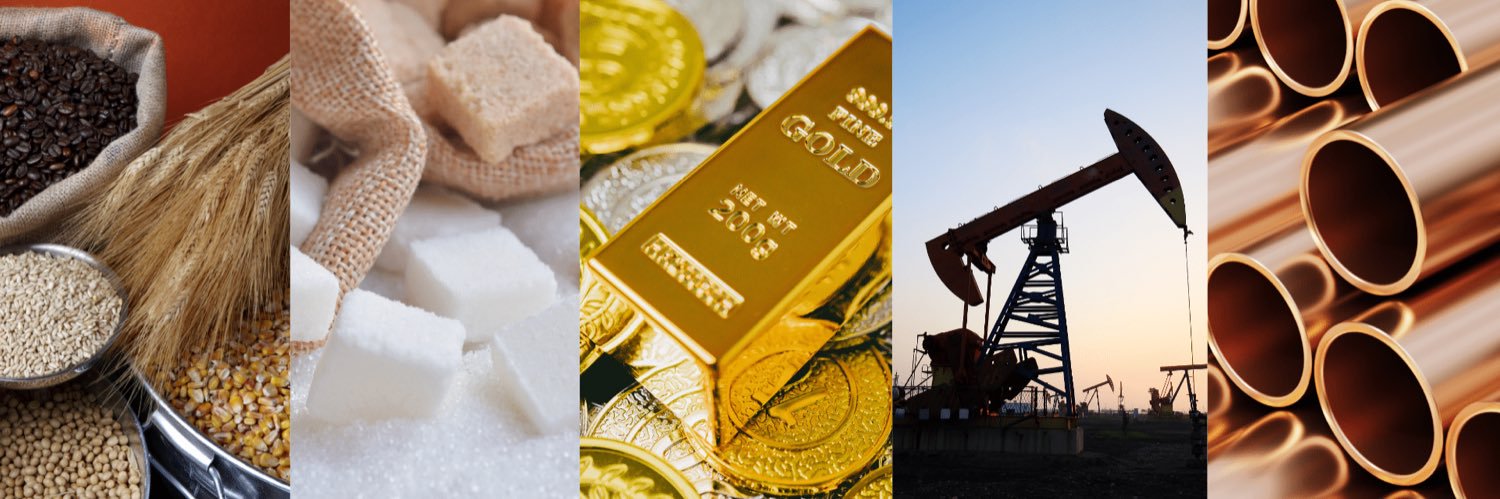
This will shape the broader commodity and macro-economic outlook. All other commodities are dirt and diesel: we saw all time highs in copper yesterday, record-high diesel last week - we’re going to see more highs across the non-energy complex.
Throughout all this, the market is obsessed with crude oil - but everyone reading this right now, as well as the rest of the world, mostly has exposure to the refined product: gasoline, diesel, jet fuel. That will hit the headline CPI index very soon.
And we’ve not event talked about food - Ukrainian strikes in the grain corridors in the Black Sea, as well as weather-impacted crop yields has combined to create a food crisis alongside the fuel crisis - wheat, corn and other crops have risen sharply over the summer. Again, that will hit the headline inflation number.
The bottom line: this is a crisis not only caused by the Strait of Hormuz. Chokepoints from the Red Sea to the Black Sea grain corridor, the Rhine River, the Russian interior, the Panama Canal - weather, war and policymaking - have combined to create a crisis that has no easy way out.
The energy crisis is here: it has arrived and it’s showing in the product prices, not in crude.
My interview on @CNBC Access Middle East with @dan_murphy can be watched in full below - thanks to Dan and team for inviting me on.
もっと見る