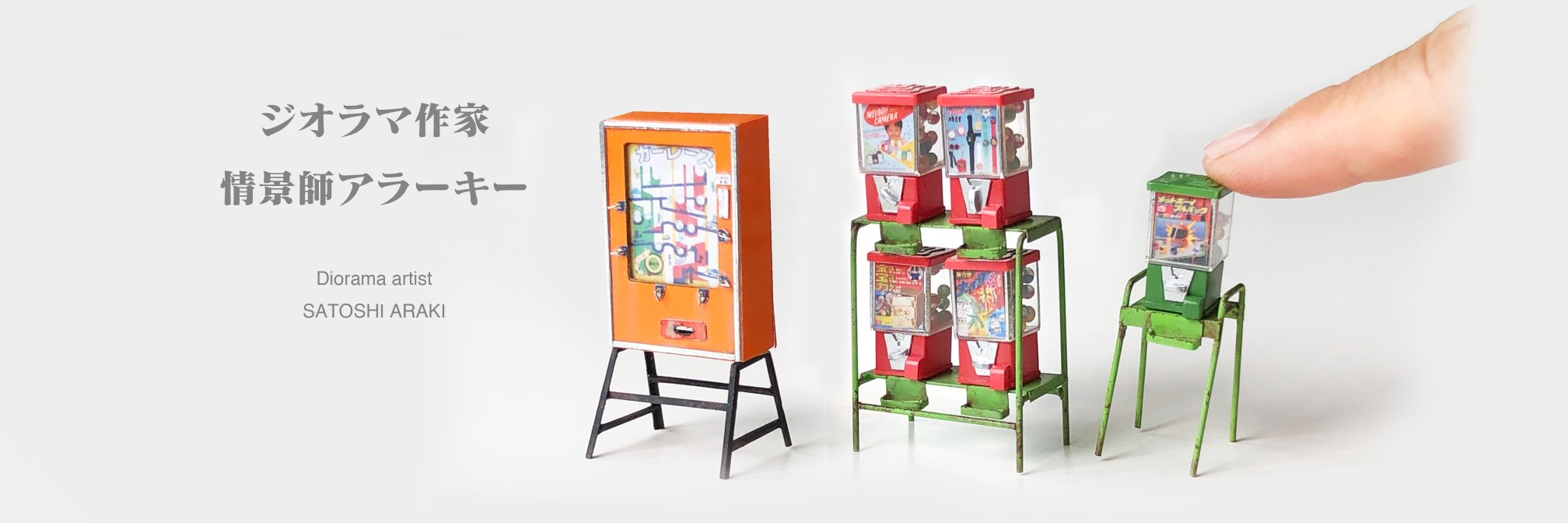

情景師アラーキー
@arakichi1969
ジオラマ作家/執筆家/トイ商品企画
著書
『凄い!ジオラマ[改]』
『作る!超リアルなジオラマ』
『駄菓子屋の[超リアル]ジオラマ』
『ステキな広告ジオラマ』
『昭和に浸る、驚愕のジオラマ 』
Blog「情景師アラーキーのジオラマでショー」
制作/取材依頼はBlog内メールフォーム/Xのダイレクトメッセージで
参加 January 2010
350 フォロー中 140.3K ファン
【US-1A飛行艇】
日米の連携で水兵を救出した逸話も素晴らしいが、その写真がまるで昭和のプラモデルの箱絵のような心踊るパーフェクトな構図!
この写真を使ったプラモが欲しい、欲しいぃ!!
(↓という妄想箱を制作)
もっと見る


When a young American sailor aboard the nuclear cruiser USS California was dying of a bursting appendix far out in the Pacific Ocean, he was hundreds of miles beyond the reach of any U.S. Navy helicopter.
Fire Controlman Third Class David Henderson needed surgery fast. A ruptured appendix in rough ocean swells can kill a young sailor long before a warship can steam back to port.
The U.S. Seventh Fleet called their allies in the Japan Maritime Self-Defense Force. Within minutes, Japan scrambled four aircraft: a P-3C Orion, an HSS-2B helicopter, and two giant four-engine Shin Meiwa US-1A amphibious flying boats.
Standard military transports need a concrete runway. Japan's US-1A flying boat was engineered to land directly on open ocean waves up to ten feet high.
While the American nuclear cruiser held position in the swells, the orange-and-white Japanese seaplane dropped out of the sky, landed directly on the open Pacific, and taxied right up beside the USS California.
Crews transferred Petty Officer Henderson across the waves by boat into the Japanese seaplane. The Japanese pilots gunned all four turboprop engines, lifted off the water, and rushed him to Atsugi and U.S. Naval Hospital Yokosuka in time for surgery.
It was the first open-ocean seaplane transfer in U.S.-Japan history, all for one young American sailor.
もっと見る










