
Yaakov Katz
@yaakovkatz
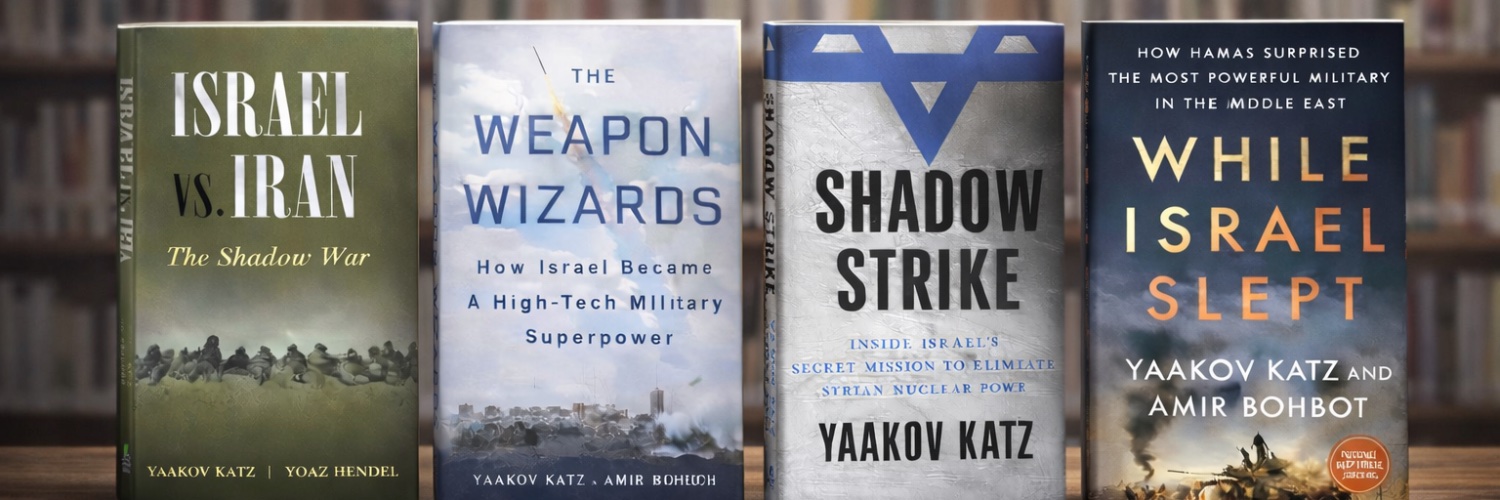
Writer. MEAD co-founder. @jewishpolicy, @Jerusalem_Post. Books: 'While Israel Slept’, Shadow Strike', 'Weapon Wizards', 'Israel vs. Iran'. @NiemanFdn Fellow.
参加 September 2011
937 フォロー中 35.6K ファン
Netanyahu is the clear winner of Israel’s election. Likud is the largest party with approximately 27 seats, while his bloc is expected to win around 53. That is a remarkable achievement considering that most polls predicted Eisenkot’s party would finish first and the opposition bloc would come out ahead.
Yes, the opposition together with the Arab parties is projected to hold about 67 seats, meaning that a majority of the Knesset will be represented by parties opposed to Netanyahu. But that is not how governments are formed in Israel. What matters is who can assemble 61 seats into a functioning coalition. No one can do that right now, but Netanyahu appears to be in a stronger position.
How did he pull it off? Two explanations:
First, Israeli politics remains deeply tribal. Despite October 7, the failures of his government and the momentum against him, Netanyahu’s traditional voters largely stayed loyal. They might have reservations about his policies and even his leadership, but when they enter the voting booth, they come home.
Second, Netanyahu’s closing campaign was extremely effective. He focused on two fears: Iran and massive Arab turnout. To his critics, it looked like desperation. But Netanyahu understood something about the Israeli electorate. These messages tapped into deep, visceral fears about the country’s security and future. And for many Israelis, Netanyahu remains the known commodity, the leader they instinctively turn to when danger looms. Whatever they think of his record, the alternative was perceived as an even greater gamble.
That is perhaps the most important lesson of this election: Netanyahu did not need Israelis to forget October 7 or forgive his failures. He needed enough of them to fear the alternative more.
もっと見る








