AFRICAN & BLACK HISTORY
@AfricanArchives
Sharing African and Black History Daily to the World || support us on
가입 September 2012
4 팔로잉 중 1.1M 팬
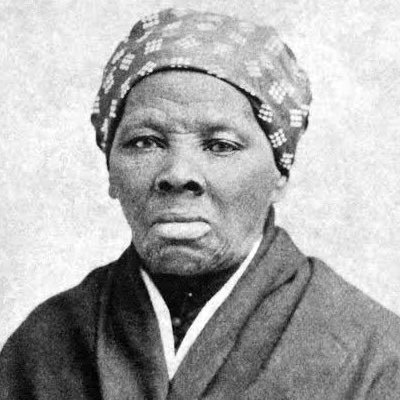
After Minnie Cox, the first black female postmaster, was forced out of her post in Mississippi, President Theodore Roosevelt paid her salary and rerouted the town's mail 30 miles away until her position was restored.
In 1902, Minnie M. Cox was serving as postmaster of Indianola, Mississippi, one of the few Black women in the South holding a federal position during the Jim Crow era.
White residents in the town began organizing to have her removed. Petitions were circulated, threats were made, and pressure mounted against her solely because of her race.
As the hostility grew, Cox submitted her resignation.
President Theodore Roosevelt refused to accept it.
Instead of replacing her, Roosevelt ordered the Indianola post office closed. He continued paying Cox her federal salary, and mail for the town was redirected to Greenville, roughly 30 miles away.
For months, Indianola residents had to travel out of town to receive their mail. The closure became a national political issue, with Southern officials condemning Roosevelt’s decision while many Black Americans saw it as a rare instance of the federal government refusing to bow to racial pressure.
Eventually, the post office reopened under new arrangements, but the episode remained one of the most direct federal responses to racial intimidation in the early 20th century.
Minnie Cox later left Mississippi and went on to have a successful career in business and education.
Her case is still studied today as an example of how federal authority was sometimes used to confront local segregation during the Jim Crow era.
더 보기









