
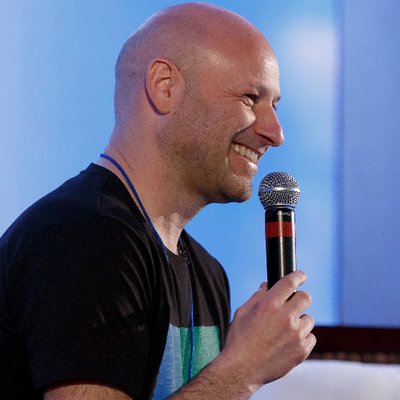
Joseph Lubin
@ethereumJoseph
Co-founder of @ethereum | Founder of @Consensys | Chairman of @ConsensysMesh | Chairman of @Sharplink $SBET. Building on #ETH#. Views expressed are my own.
加入 February 2014
3.6K 正在關注 393.6K 粉絲
In my opinion, Ethereum L1 revenue fees should stay low to foster growth. Tens of thousands of companies will set up shop over the next 2-3 years on some mix of Ethereum L1, L2s, and private permissioned EVMs like Besu chains which will be fully interoperable with L2s and L1s. Monetary premium will grow very large, "fee revenue" to L1 from so much activity will grow significant, staking and other locking away of ETH will reduce supply, and net burning of ETH under ultrasound conditions will further grow the value of ETH.
顯示更多

The Robinhood Chain is the cleanest case study of what happened to ETH's economics over time.
Since inception, @RobinhoodApp Chain has grossed ~$816K in revenue.
@Arbitrum, the middleware provider, takes 10%: ~$80K.
Arbitrum then pays Ethereum for settlement: $1,538.
The margin profile roughly:
Robinhood: 89%
Arbitrum: 10%
Ethereum: 0.15%
If your thesis is "ETH is money," Robinhood building here is ultra bullish. More activity, more ETH collateral, more lindyness.
If your thesis is "ETH is a revenue generating asset," this is the ultra-bear case.
And here's the uncomfortable truth: Robinhood was never going to build on Solana, Sui or any monolithic L1. They want the stack customization. They want to be landlords, not renters. Ethereum won this deal on merit.
It's just not pricing it right.
A healthy split to me looks more like:
Robinhood: 75%
Arbitrum: 10%
Ethereum: 15%
Ethereum sells the most valuable settlement layer in crypto at marginal cost. Things need to change. @ethlabs_org
顯示更多








