Search results for naloxone
naloxone community
One keyword maps to one global community path.
People
Not Found
Tweets including naloxone

It’s National Fentanyl Prevention and Awareness Day. Find out how to recognize signs of an #overdose#, the dangers of mixing drugs, how #naloxone# & #fentanylteststrips# can save lives, & steps to recovery: @CDCgov @DEASTLOUISDiv
Show more


Today is National Fentanyl Prevention and Awareness Day. Fentanyl is a powerful synthetic opioid linked to overdose deaths nationwide. Learn the risks, talk with loved ones, carry naloxone (Narcan), and know the signs of an overdose. Visit:
Show more

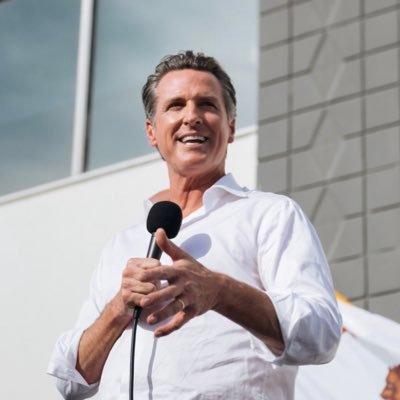
California is doing what NO state has ever done before — making our OWN prescription drugs to take on Big Pharma and drive down costs.
Insulin, naloxone, and asthma inhalers. EpiPens are next.
We’re making lifesaving drugs CHEAPER and more accessible for everyone.
Show more


This woman worked with the homeless in Maine. She’s so angry about what’s happening to her state she can’t even speak without getting mad
She says homeless are being flown into Maine to live off the system, “It’s a lifestyle” and the homeless have no requirements to do anything. They are just handed everything for free and can go out into the public and do whatever they want during the day
She says in additional to the homeless being flown into Maine to live off the government, Democrats on Maine are giving them everything they need to be drug addicts
It’s true, the homeless are being provides for free
- Sterile syringes, needles and injection supplies including cookers, cotton, tourniquets, etc
- Naloxone (Narcan)
- Fentanyl and xylazine test strips so users can check their supply before injecting or using
- “Boofing” kits which are needleless syringes, lubricant packets, saline tins and wipes for rectal administration of drugs
- Wound care supplies
- Safer-sex materials
- Free ongoing methadone and Suboxone programs (The woman says these programs are being abused)
Here are documented nonprofits and programs that pay for travel for the homeless
- Portland, Oregon’s Portland Solutions. Officials have explicitly mentioned sending people to Maine
- San Francisco’s Homeward Bound and Journey Home programs. These are city programs that have relocated thousands of homeless people out of the city by bus or other means to destinations across the United States
- There are For-profit “human brokers” in the addiction treatment industry where they take the homeless and send them to other states to get paid for enrolling them into treatment program. There are TONS of companies getting paid to do this
There are even medical facilities in California, Florida and all over that pay companies for referral fees for thousands of new patients every month
It’s a giant homeless industrial complex and it will only keep growing unless the money is cut off
Show more


I'm a cardiologist. I've watched fentanyl fill the empty chairs at America's dinner tables. So this news genuinely moves me.
The DEA just released numbers that should stop the country cold:
The lethality of street fentanyl pills has collapsed.
Two years ago, 76% of seized fentanyl pills contained a potentially lethal dose. Today: 29%. Fentanyl powder purity fell from 19.5% to 10.3%. The DEA called the shift striking.
And the human result is staggering. Opioid overdose deaths have dropped nearly 50% from their 2023 peak — from over 110,000 deaths a year to under 80,000. That's more than 30,000 Americans still alive who would have died at the old rate.
This is what sustained, all-hands pressure on the supply chain looks like. Intensified DEA enforcement. Relentless pressure on the Sinaloa and CJNG cartels forcing them to change how they operate. A crackdown on the precursor chemicals flowing out of China. Expanded naloxone access. Treatment programs finally reaching people.
Under this administration, the DEA just launched a Fentanyl Free America initiative to press the advantage — to turn a supply-chain weakness into a permanent win instead of a temporary dip.
That's leadership. Keeping the boot on the throat of the cartels when the numbers are finally moving in our direction. Thank you to everyone in this fight — the agents, the administration, the volunteers pulling people back from the edge.
But I'm a physician, so let me be honest about what this is and isn't.
This is fragile progress, not victory. The supply got weaker — that helped enormously — but a weaker supply can strengthen again. Colorado already saw an uptick. The cartels adapt. The chemistry evolves. And "fewer lethal pills" still means tens of thousands of Americans dying every year. 140 a day.
The lesson in this data is the one I preach in medicine constantly: prevention works, but only if you don't let up the moment the numbers improve. The patient who survives the heart attack and returns to the old life ends up back on my table.
Same principle here. We caught a break in the supply. Now is exactly the moment to pour resources into treatment, prevention, and enforcement — while we have the momentum — instead of declaring the war won and walking away.
30,000 lives. That's not a talking point. That's 30,000 empty chairs that got filled back in.
Let's keep them filled.
Show more

Thank you, Secretary Kennedy, for releasing the $700 million in behavioral health funding my father’s administration authorized.
But it should not have taken this long. The delay cost lives.
Putting people living on the streets first is right. They are the easiest to see and the easiest to ignore.
I have no problem with the mission.
I have a problem with one sentence in the guidance: STREETS grants cannot pay for harm reduction.
Harm reduction is not an ideology. It is a clean syringe, naloxone in a backpack, fentanyl test strips in a pocket. A place where someone can be kept breathing instead of being found dead.
I personally know people whose lives were saved by harm reduction. I know you do too. I know what they have done with those lives since. Not one of them would be in recovery today if they didn’t have access to harm reduction. The would be dead.
Anyone serious about recovery knows harm reduction saves lives. Ask people in the rooms. Ask the families keeping naloxone in the kitchen drawer.
If you want the Great American Recovery to mean something, fund what keeps people on this side of the grave. We do recover, but only if we make it out alive.
Show more