
Dr. M.F. Khan
@Dr_TheHistories
Researcher and Author, with profound interest in ancient history. Holds the doctorate (PhD.) degree in History and specialisation in Archaeology. (999)
Joined November 2021
90 Following 125.3K Followers
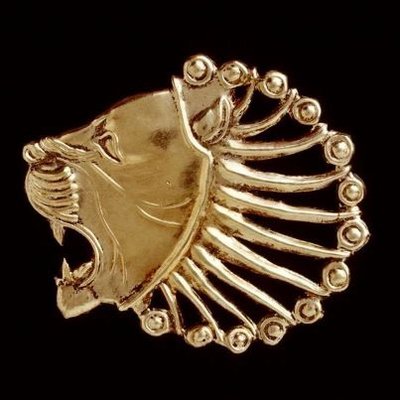
This 18th-century chest ornament was made in Flores, one of Indonesia’s Lesser Sunda Islands, located east of Komodo and west of Lembata. While it is a relatively small island—covering just over 12,000 square kilometres—it is exceptionally famous due to the 2003 discovery of Homo floresiensis, an extinct species of tiny humans who lived there until roughly 50,000 years ago.
The island was colonized by the Portuguese in early 16th century, who introduced Catholicism. Dominican friars quickly established a stronghold, baptizing many local kings and their populations. As Islam spread throughout the rest of the Indonesian archipelago, Flores managed to maintain its deep-rooted Catholic faith, remaining one of the few predominantly Christian islands in a Muslim-majority country. This unique history fostered a distinct visual art style that set Flores apart from the rest of the archipelago, blending European Christian symbols with ancient indigenous traditions. This blending can be seen in the pendant's design, which features a stylized Catholic Sacred Heart topped by a crown flourish that doubles as a suspension loop—mirroring the ancestral figure motifs common in Lesser Sunda art.
Yale University Art Gallery
#drthehistories#
Show more