
Ian Miles Cheong
@stillgray
I say the quiet part out loud.
Joined September 2008
1.2K Following 1.2M Followers
Imagine by Grok is nothing short of amazing. It lets us visualize historical moments vividly by reviving bygone eras through AI-generated imagees that bridge the past and present. Pretty awesome, if you think about it!
For this first series, I've taken images and postcards from the 1900s that depict life in China during the early 20th century.
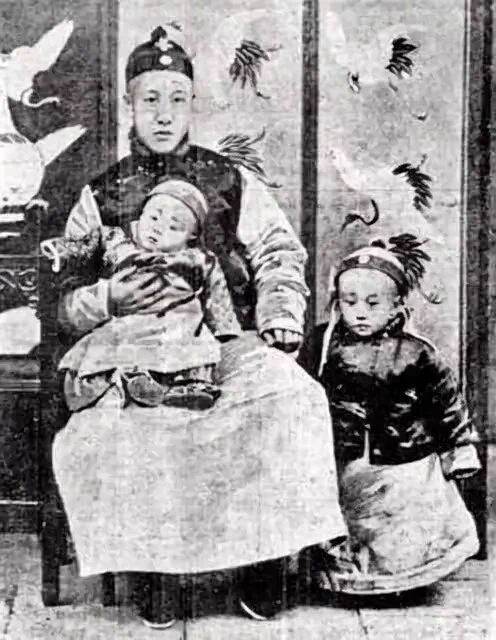
Photo: The last emperor (Beijing)
This image from around 1909 shows four-year-old Emperor Puyi on the right, standing with his father and baby brother. After the 1911-12 revolution, he had to give up the throne, which marked the end of China's 2,000-year imperial tradition. Twelve years on, he left the Forbidden City behind and headed to the Japanese concession in Tianjin.
From 1934 to 1945, he was emperor of Manchukuo, essentially a puppet state under Japanese control in northeastern China. At the end of World War II, the Soviets captured him, and in 1950, he was sent back to China for a war crimes trial.
He received a pardon in 1959 and spent his later years as a regular citizen, working in Beijing's botanical garden as someone who, as the South China Morning Post sadly put it, “had to buy a ticket to enter his old home.”
By the 1990s, Puyi's story had gained renewed attention in China amid economic reforms and cultural reflections, with his life symbolizing the nation's 20th-century upheavals in films like The Last Emperor.
Show more
0
0
19
92
9