
Ben Bajarin
@BenBajarin
CEO & Principal Analyst @creativestrat. Full-stack tech analysis from silicon to markets. Advisor to tech leaders. Technologist at heart. Keeper of Bees.
Joined April 2008
2.3K Following 49.5K Followers
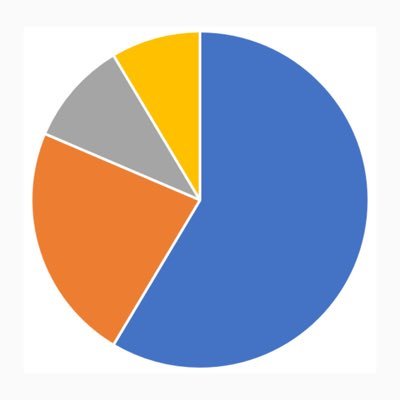
This comment from Sumit Sadana, exactly why I made this chart. Since most commentary on memory has not covered this industry for very long.
These deals are unlike any in the past in contract strength, durability, length, and pre payments.
"we call them strategic customer agreements first and foremost because they are very, very different than the historical LTAs or long-term agreements. First of all, those LTAs were somewhat of a misnomer because there was nothing long-term about them; they were just 12-month agreements for the next calendar year, another important difference is that you know those LTAs had no binding terms in them, right? It was more of a handshake kind of an understanding with customers about ensuring that there is good level of supply chain planning that we do and documenting it so that you know they are putting more thought into what kind of supply they are intending to purchase from us. That was the LTA time.
So when we saw some of this AI demand for a multi-year time frame become so urgent for our customers, there was an increased level of anxiety at our customers to secure the supply, and we came up with this proposal and idea of strategic customer agreements. And we have pioneered this concept in our industry, and we have been the first ones to work on it with our customers. And we have also, we believe signed the most number of SCAs across our industry since our earnings. We have signed up more SCA agreements with our customers, and you know we really see these agreements as being transformative of the business model that we are used to. For starters, these SCAs cover a long time horizon.
Some customers that are smaller, like automotive customers, have mostly three-year SCAs. But the SEAs that cover the overwhelming amount of the revenue under SCA is going to be you know five-year type of terms through the end of calendar 2030, and so number one, these provide quite a long-term visibility to us. Second, these SCAs are binding commitments on purchases of these volumes by year, by customer, and these are take-or-pay agreements, and there are no
contractual outs for our customers from these agreements.
These are very much, very very different terms, very stringent and binding terms on the purchases. These are backed up by tremendous amounts of upfront cash and cash like commitments, like letters of credit. But the overwhelming amount of the commitment is upfront cash that we are going to have on our balance sheet."
Show more