𝗘𝗹𝗹𝗮
@Ellaweb_3
Joined September 2023
4.5K Following 120.5K Followers
Stablecoins are often described as a cheaper way to move money across borders but a low blockchain fee does not always mean a low-cost payment.
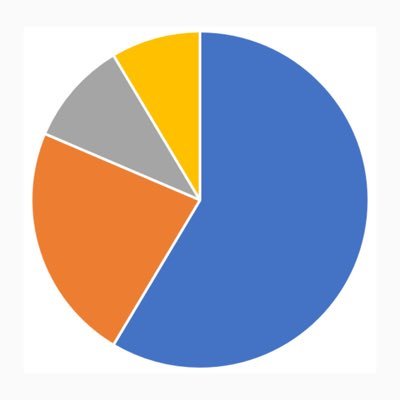
A recent study conducted by the Bank of Italy examined this question through real stablecoin transfers across multiple international payment routes. The findings showed that total costs varied significantly depending on the route.
The onchain transfer itself was generally fast and inexpensive while much of the friction appeared before and after it: purchasing the stablecoin, converting currencies, withdrawing through an exchange and ultimately moving the funds into the recipient’s local bank account.
That distinction matters.
A payment should not be judged only by how efficiently value moves between two wallets. For most people, the journey begins with local currency and ends with money they can actually spend. If the first and last steps remain expensive, slow or complicated, blockchain has improved only the middle of the process.
I do not see the Bank of Italy’s findings as evidence that stablecoins have failed. In fact, they suggest that blockchain technology may already be performing its role effectively. The larger challenge now lies in building better connections between wallets, exchanges, banking systems and local payment networks.
Stablecoins still offer meaningful advantages: 24/7 availability, programmable settlement and the ability to transfer value without waiting for traditional banking hours. But broader adoption will depend on whether those advantages remain visible throughout the entire journey from sender to recipient.
The next major breakthrough in stablecoin payments may therefore come not from another faster blockchain but from cheaper currency conversion, deeper local liquidity and simpler on and off-ramps.
If the blockchain transfer costs only a few cents but accessing the money remains expensive, has the payment system truly become more efficient?
Show more