
Nahtahn
@fw_nahtahn
THE HARDEST CHOICES REQUIRE THE STRONGEST WILL!! STORY TIME!!!!!!
368 Following 734 Followers
I was living in Birmingham when my closest friend betrayed me.
We had been friends for almost ten years, so when I found out he’d been telling people private things I’d shared with him, I felt completely humiliated.
I confronted him outside a small café.
He didn’t deny it.
He just said, “I don’t know why I did it.”
I was furious.
I told him I never wanted to speak to him again.
For almost a year, we had no contact.
Then one evening, I received a message from him.
It simply said, “I’m sorry. I don’t expect you to forgive me, but I needed you to know that I regret what I did.”
I read it several times and didn’t respond.
A few weeks later, I saw him by chance at the train station.
He looked different. Tired.
He walked over and said, “I know I hurt you. I can’t undo it.”
I told him, “You’re right. You can’t.”
There was a long silence.
Then I said something I hadn’t expected to say.
“But I’m tired of being angry.”
He looked at me.
I told him, “I forgive you. That doesn’t mean everything goes back to how it was.”
He nodded.
“I understand.”
We never became as close as we were before.
But we eventually started saying hello when we saw each other. Sometimes we’d have coffee and talk about life.
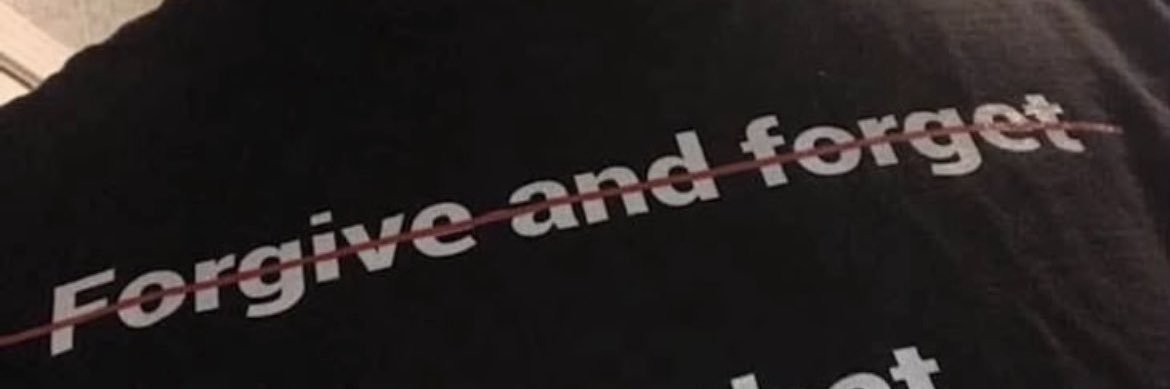
It took me a long time to understand that forgiveness isn’t always about giving someone another chance.
Sometimes forgiveness is simply deciding that what someone did to you doesn’t get to control the rest of your life.
I didn’t forgive him because he deserved it.
I forgave him because I deserved peace.
Show more












