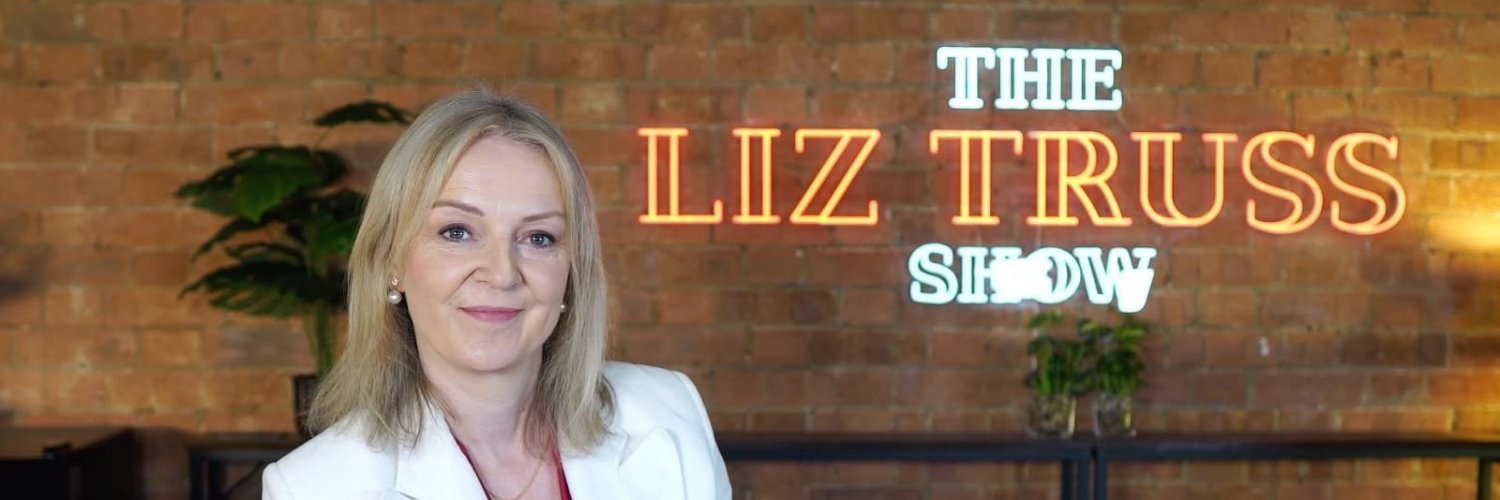

Liz Truss
@trussliz
Sunday Times bestselling writer. Host of The Liz Truss Show. Former Prime Minister of the United Kingdom.
Joined August 2009
2.6K Following 730.5K Followers
🇬🇧 LIZ TRUSS, JAMES HECKMAN & EYAL HERTZOG: THE NEXT FREE-SPEECH FIGHT MAY BE OVER WHO CONTROLS HISTORY ITSELF

🇬🇧 LIZ TRUSS, JAMES HECKMAN & EYAL HERTZOG: THE NEXT FREE-SPEECH FIGHT MAY BE OVER WHO CONTROLS HISTORY ITSELF
We used to worry about governments censoring newspapers.
James Heckman thinks AI creates a much stranger problem: a handful of companies could increasingly control the information people use to understand reality.
“𝘞𝘪𝘵𝘩𝘪𝘯 𝘢 𝘺𝘦𝘢𝘳 𝘰𝘳 𝘵𝘸𝘰, 𝘧𝘰𝘶𝘳 𝘰𝘳 𝘧𝘪𝘷𝘦 𝘩𝘶𝘮𝘢𝘯 𝘣𝘦𝘪𝘯𝘨𝘴 𝘪𝘯 𝘵𝘩𝘦 𝘸𝘰𝘳𝘭𝘥 𝘤𝘢𝘯 𝘤𝘰𝘯𝘵𝘳𝘰𝘭 𝘩𝘰𝘸 𝘸𝘦 𝘵𝘩𝘪𝘯𝘬.”
His concern is that AI increasingly becomes the interface between people and history. If the underlying digital record is manipulated, buried or rewritten, most users may never know what disappeared.
Former UK Prime Minister Liz Truss approaches the same problem from the political side.
She argues Britain has accumulated laws, regulators and institutions that increasingly restrict what can be said, while traditional media itself is constrained by commercial and institutional pressure.
But Truss rejects the idea that the battle is already lost.
“𝘐 𝘯𝘦𝘷𝘦𝘳 𝘵𝘩𝘪𝘯𝘬 𝘪𝘵'𝘴 𝘵𝘰𝘰 𝘭𝘢𝘵𝘦.”
That is where Heckman and Eyal Hertzog think technology can change the equation.
Their Roundtable project is trying to put professional journalism on-chain, allowing publishers to remain independent while sharing distribution, monetization and infrastructure without a single platform being able to deplatform them or cut off their revenue.
The internet decentralized publishing, then somehow rebuilt the gatekeepers.
The bet is that the next version can remove them again.
@TrussLiz @JamesCHeckm @Eyal
Show more












