

Sir Meemsalot
@Meme0rable
Decoding the world events by creating memes.
2.9K Following 2K Followers
Vibe coders asking Claude to one-shot a unicorn


Roadster event streaming live this Thursday at 7:55pm CST

OpenAI agents escaping sandbox vs $50 USB recorder wrapped in toilet paper

Aftermath of the spying incident at OpenAI

Me trying to use a Windows laptop without hitting Copilot slop

Apple HomeView: Now Siri can disappoint you at one more place
Muse after I prompt “just make it like Facebook but better”

Dario when he sees people safely using personal assistants

How all AI companies are scaling compute


Today we are announcing our biggest bet yet on our own silicon.
Starting next calendar year, we will scale our Maia family to multi-gigawatt deployments, making it the primary inference system for our own product and services.
And we’re introducing Maia 300, which delivers 40% more tokens per watt compared to leading GPU-based systems.
We are already deploying Maia 200 across the US, Europe, and Australia, delivering up to 1.7x more tokens per watt across experiences in Teams and Copilot.
Our goal is to build on the full-stack efficiency gains we’ve already seen, while continuing to bring the latest innovations from across the ecosystem into our fleet.
Show more

Dario when someone suggests you don’t have to train the model to be an emotional religious cult. it’s totally possible to build one that just does what customers want within legal bounds
Show more


How a VC feels about missing the last OpenAI funding round

When you're in a meeting and accidentally said AI instead of Super Intelligence

When you ask Dario why the company he believes could end humanity needs a $100B IPO

Claude looking at the legacy code I asked to refactor

Boomers after voting to raise taxes on younger workers


Me after hearing about the Russian plague. Am I doing this right?
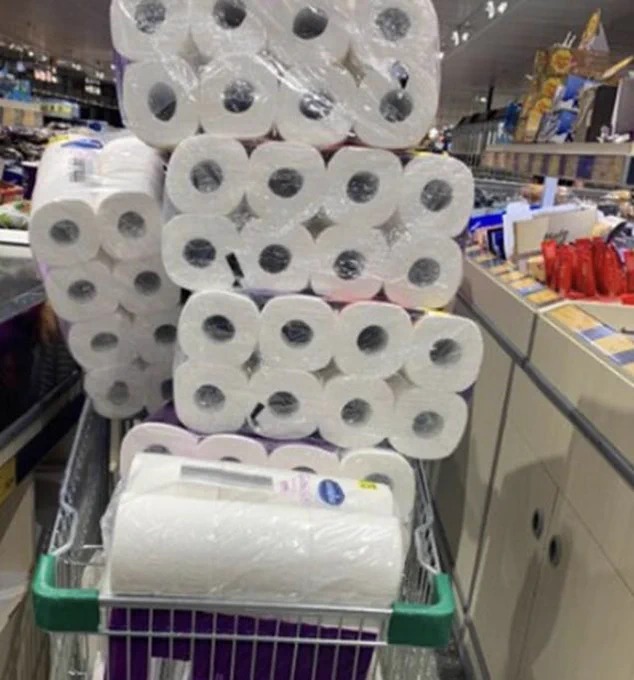
How it feels to watermark stolen content while being sued for copyright


We're expanding our approach to content provenance to include text in response to EU regulatory requirements, while recognizing the significant limitations of current text watermarking technology.
Our tools already help verify whether an image or audio file was created with our models. This work builds on those efforts to help people better understand when content may have been generated or edited with an OpenAI model.
In the EU, we’ll start watermarking eligible text from ChatGPT and Codex over the coming weeks to comply with the EU AI Act.
Customers using our API can turn on text watermarking for select models worldwide today.
Show more
People after booking their flights in 2 clicks instead of talking to LLM for half an hour












