
What does it mean to be a good leader?
For Jean-Pierre Raffarin, former Prime Minister of France, listening is as important as speaking. For Félicie Burelle, CEO of OPmobility, authenticity and staying close to people are essential to leadership.
In this interview at Peking University, they share lessons from their experiences in public service and business, offering different perspectives on leading people and navigating change.
Produced by Katherine Chen, Evangelia Christin Limin
Interviewed by Tiffany Yap
—— PKUAsks
Show more

A research team led by Prof. Zhang Wenbin from Peking University’s College of Chemistry and Molecular Engineering has achieved the direct intracellular synthesis of protein olympiadanes—complex mechanically interlocked structures composed of five protein rings.
By combining heterodimeric entangling motifs with split inteins, the team developed a multigene co-expression system that enables polypeptide chains to undergo programmed assembly and cyclization directly inside cells. Using this strategy, the researchers successfully constructed both symmetric and asymmetric protein catenanes with the intended Olympic-ring topology.
The work establishes a modular and genetically encoded platform for constructing complex protein topologies, expanding the design space of protein architectures and opening new opportunities at the intersection of chemical topology and synthetic biology.
The study was published in Chem.
🔗 Read more:
#PKUResearch#
Show more

How long should you look at a Chinese painting?
Associate Prof. Liu Chen, also the associate dean of the School of Arts, invites you to "walk into" a Chinese hand-scroll painting. Instead of reflecting a single moment from a single point of view, it is actually composed of a series of consecutive scenes. It takes time for the story to unfold in front of you, doesn't it?
“Don't rush to finish the painting.
Slow down.
And let it open itself to you.”
—— PKU Open Question
Show more

A jaguar with a stalk of maize on its head. A clay figure in jaguar-print shorts. A museum screen that tells you which animal spirit is yours.
In ancient Mesoamerica, the jaguar was both a fierce predator and the guardian of the harvest. At the 𝘾𝙖𝙥𝙞𝙩𝙖𝙡 𝙈𝙪𝙨𝙚𝙪𝙢 𝘾𝙝𝙞𝙣𝙖, that belief is hard to miss.
Ivanna Hernández (Mexico) and Navarro Arantza (Peru), international students at the School of Chinese as a Second Language, visited the special exhibition [𝙈𝙖𝙞𝙯𝙚, 𝙂𝙤𝙡𝙙, 𝙅𝙖𝙜𝙪𝙖𝙧—𝘼 𝙂𝙧𝙖𝙣𝙙 𝙀𝙭𝙝𝙞𝙗𝙞𝙩𝙞𝙤𝙣 𝙤𝙛 𝘼𝙣𝙘𝙞𝙚𝙣𝙩 𝙈𝙖𝙮𝙖𝙣 𝙖𝙣𝙙 𝘼𝙣𝙙𝙚𝙖𝙣 𝘾𝙞𝙫𝙞𝙡𝙞𝙯𝙖𝙩𝙞𝙤𝙣𝙨]. Guided by PKU Assoc. Prof. Fan Ye of the Department of Hispanic Languages and Literature, they traced how the bond between humans and animals travels from myth into modern literature, including a postman who turns into a coyote in 𝗠𝗶𝗴𝘂𝗲𝗹 Á𝗻𝗴𝗲𝗹 𝗔𝘀𝘁𝘂𝗿𝗶𝗮𝘀's 𝙈𝙚𝙣 𝙤𝙛 𝙈𝙖𝙞𝙯𝙚. 🐆
Special feature by PKU Office of Global Communications: a three-part AI-powered mini-series, 𝙐𝙣𝙡𝙤𝙘𝙠𝙞𝙣𝙜 𝙩𝙝𝙚 𝘼𝙣𝙘𝙞𝙚𝙣𝙩 𝙈𝙖𝙮𝙖 𝙖𝙣𝙙 𝘼𝙣𝙙𝙚𝙖𝙣 𝘾𝙞𝙫𝙞𝙡𝙞𝙯𝙖𝙩𝙞𝙤𝙣𝙨. 𝙀𝙥𝙞𝙨𝙤𝙙𝙚 𝟯 𝙅𝙖𝙜𝙪𝙖𝙧 will conclude this journey on the ancient American continent.
#AI_PKU# #MaizeGoldJaguar#
Show more

A Peking University delegation led by Ning Qi, vice chair of PKU Council, visited Spain and Switzerland from September 23 to 29, strengthening ties with partner universities and international organizations.
The delegation visited the Autonomous University of Madrid and the University of Granada, where discussions focused on student and faculty exchanges, language education, and academic collaboration in areas including international law, international relations, literature and cultural studies.
In Geneva, the delegation visited the World Trade Organization, exchanging views on the multilateral trading system, global economic governance, and opportunities for students to engage with international organizations.
The visit also included exchanges with PKU alumni in Switzerland, further strengthening connections between the University and its global community.
Show more


Long before he stepped onto PKU’s campus in 1978, Chen Xingliang was drawn to philosophy. He could not have foreseen that law would become his lifelong academic calling.
He arrived at Peking University as part of the first cohort of college students after the college entrance examination was restored. Back then, legal education was still being rebuilt and attracted relatively few students.
What began as an uncertain start grew into decades of teaching. After 28 years in the classroom, Chen Xingliang was awarded the 2026 Peking University Teaching Achievement Award.
For Chen, teaching means passing down rigorous legal thinking, one generation to the next. “I hope to help students build solid academic foundations and independent minds,” he says — guiding young legal scholars to explore the boundaries of law at Peking University.
Read more:
#PKUScholars#
Show more


What does a Nobel Prize-winning economist think about AI, research, and rational expectations?
Professor Thomas J. Sargent, a 2011 Nobel Laureate in Economics, joined PHBS students for a lively roundtable at the “Dialogue with a Nobel Laureate” tea talk.
During the conversation, students raised questions spanning AI in research, career planning, innovation, US-China relations, and the PhD journey.
Professor Sargent shared his insights: AI should complement our thinking instead of replacing it. The true value of AI lies in helping us deepen our grasp of fundamental principles, rather than simply generating outputs. He also explained how rational expectations theory evolves alongside AI, and reminded young researchers to focus on timeless core principles, not just trendy topics.
Scan the QR code and read the full story to explore Professor Sargent’s thoughts on economics and artificial intelligence.
#PKU# #PHBS# #NobelLaureate# #AI#
Show more


For the Andean peoples, gold was "the sweat of the sun."
Under the lights at the 𝘾𝙖𝙥𝙞𝙩𝙖𝙡 𝙈𝙪𝙨𝙚𝙪𝙢 𝘾𝙝𝙞𝙣𝙖 sits one of the most celebrated Moche gold crown ornaments ever found. Looted in 1988 and smuggled abroad, the gold crown, known as the 𝙈𝙤𝙘𝙝𝙚 𝙊𝙘𝙩𝙤𝙥𝙪𝙨 𝙃𝙚𝙖𝙙𝙙𝙧𝙚𝙨𝙨, was recovered by Scotland Yard in 2006 and returned to Peru.
Ivanna Hernández (Mexico) and Navarro Arantza (Peru), international students at the School of Chinese as a Second Language, visited the special exhibition [𝙈𝙖𝙞𝙯𝙚, 𝙂𝙤𝙡𝙙, 𝙅𝙖𝙜𝙪𝙖𝙧—𝘼 𝙂𝙧𝙖𝙣𝙙 𝙀𝙭𝙝𝙞𝙗𝙞𝙩𝙞𝙤𝙣 𝙤𝙛 𝘼𝙣𝙘𝙞𝙚𝙣𝙩 𝙈𝙖𝙮𝙖𝙣 𝙖𝙣𝙙 𝘼𝙣𝙙𝙚𝙖𝙣 𝘾𝙞𝙫𝙞𝙡𝙞𝙯𝙖𝙩𝙞𝙤𝙣𝙨]. With PKU Prof. Dong Jingsheng of the Department of History as their guide, they followed gold and silver across the ocean: Peruvian silver displayed beside Ming dynasty silver ingots, linked by the Manila galleon trade. 👑
Special feature by PKU Office of Global Communications: a three-part AI-powered mini-series, 𝙐𝙣𝙡𝙤𝙘𝙠𝙞𝙣𝙜 𝙩𝙝𝙚 𝘼𝙣𝙘𝙞𝙚𝙣𝙩 𝙈𝙖𝙮𝙖 𝙖𝙣𝙙 𝘼𝙣𝙙𝙚𝙖𝙣 𝘾𝙞𝙫𝙞𝙡𝙞𝙯𝙖𝙩𝙞𝙤𝙣𝙨. 𝙀𝙥𝙞𝙨𝙤𝙙𝙚 𝟮 𝙂𝙤𝙡𝙙 is now for you to explore.
#AI_PKU# #MaizeGoldJaguar#
Show more

In Professor Su Yanjie's class, the study of psychology is not limited to reading textbooks; it also takes the form of visits to neonatal units and special needs schools for observation and interaction. "You read it in a book, but it is particularly different when you go and meet the actual person," she said. Her dedication and creativeness to teaching developmental psychology has earned her the 2026 Peking University (PKU) Teaching Achievement Award.
Read more here:
#PKUScholars#
Show more


According to the 𝙋𝙤𝙥𝙤𝙡 𝙑𝙪𝙝, the Maya creation story, the gods tried three times to make human beings.
Figures of mud dissolved in the rain. Figures of wood had no heart. Only when the gods ground white and yellow maize into meal did people finally come to life.
Now that story is easy to picture at the 𝘾𝙖𝙥𝙞𝙩𝙖𝙡 𝙈𝙪𝙨𝙚𝙪𝙢 𝘾𝙝𝙞𝙣𝙖.
Ivanna Hernández (Mexico) and Navarro Arantza (Peru), international students at the School of Chinese as a Second Language, visited the special exhibition [𝙈𝙖𝙞𝙯𝙚, 𝙂𝙤𝙡𝙙, 𝙅𝙖𝙜𝙪𝙖𝙧—𝘼 𝙂𝙧𝙖𝙣𝙙 𝙀𝙭𝙝𝙞𝙗𝙞𝙩𝙞𝙤𝙣 𝙤𝙛 𝘼𝙣𝙘𝙞𝙚𝙣𝙩 𝙈𝙖𝙮𝙖𝙣 𝙖𝙣𝙙 𝘼𝙣𝙙𝙚𝙖𝙣 𝘾𝙞𝙫𝙞𝙡𝙞𝙯𝙖𝙩𝙞𝙤𝙣𝙨]. Guided by PKU Assoc. Prof. Fan Ye of the Department of Hispanic Languages and Literature, they stepped into the world of a civilization that flourished thousands of miles away. 🌽
Special feature by PKU Office of Global Communications: a three-part AI-powered mini-series, 𝙐𝙣𝙡𝙤𝙘𝙠𝙞𝙣𝙜 𝙩𝙝𝙚 𝘼𝙣𝙘𝙞𝙚𝙣𝙩 𝙈𝙖𝙮𝙖 𝙖𝙣𝙙 𝘼𝙣𝙙𝙚𝙖𝙣 𝘾𝙞𝙫𝙞𝙡𝙞𝙯𝙖𝙩𝙞𝙤𝙣𝙨. 𝙀𝙥𝙞𝙨𝙤𝙙𝙚 𝟭 𝙈𝙖𝙞𝙯𝙚 starts here.
#AI_PKU# #MaizeGoldJaguar#
Show more

With technology evolving faster than ever, why hasn’t it tackled the challenge of climate change?
Associate Professor Wang Binbin of the Institute for Carbon Neutrality once engaged Mary Evelyn Tucker of Yale University for her perspective on climate change, only to be reminded that part of the answer lies in Confucian thought. This is what Wang terms “Ancestral Intelligence” in this episode of PKU Open Question.
“We need a new mindset,
we need a paradigm shift.”
Bridging Ancestral Intelligence and Artificial Intelligence may offer a new approach to climate thinking.
—— PKU Open Question
Show more

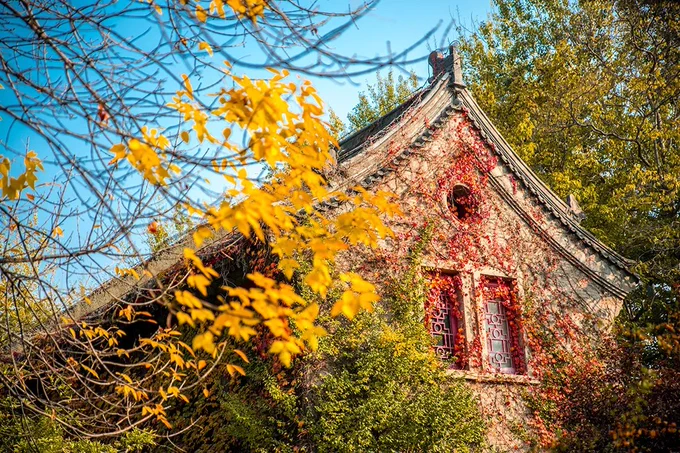
Hello, #ColdDew#! The air is getting crisp, mornings and evenings are turning chilly, and autumn is settling in on #PKUCampus#. Time to grab a cozy jacket and enjoy the season’s refreshing charm!
#PKUCalendar# #24SolarTerms#
Show more

Some clubs ask what you already know. This one only asks whether you love horses.
Peking University's Equestrian Association is welcoming new members, with sessions at a professional riding center in Shunyi offering dressage, show jumping, and cross-country training for riders of any level.
Transport, instruction, and equipment are included at no extra cost beyond a one-time 30 RMB membership fee. Students can join one of four teams — technical, external relations, media, or logistics — each offering a different way to contribute.
Contact details are in our recruitment post link:
#PKUClubs#
Show more


Considering graduate study in China Studies?
This October, Yenching Academy invites prospective applicants to a series of student-led information sessions, both online and on campus at Peking University and the University of Hong Kong.
Hear from current scholars and alumni about academic life, research interests, and what comes after graduation.
Multiple formats and languages are available.
Full details and registration can be found on the Yenching Academy event page:
#YenchingAcademy# #ChinaStudies# @PKUYCA
Show more


Some schools are measured by buildings.
PKU School of International Studies (SIS) is measured by the distances its graduates have traveled since leaving campus.
As PKU SIS approaches its 30th Anniversary in 2026, we are collecting video greetings from alumni around the globe, from classmates reuniting on camera to individual notes of reflection.
A sentence is enough. A memory is welcome.
Every submission becomes part of the anniversary celebration film.
Details and submission guidelines are available at the link below:
#PKUIS#
Show more


Context matters more than the emoji itself.
That is the central finding of a new study led by PKU HSBC Business School's Assoc. Prof. Ye Weiming, published in the International Journal of Advertising.
Across two experiments with 535 participants, the study found that emojis undercut luxury branding in public advertising while enhancing warmth and satisfaction in one-on-one customer service. The takeaway for marketers: distance in public, closeness in private.
#Pekonomist#
Show more


Hallucination, glitch, memory, labor: what do these terms mean once machines start generating them?
From September 2026, a new international workshop series hosted by Peking University's Computational Art Lab brings together researchers from London, Nanjing, and beyond to rethink artificial intelligence through art and the humanities.
Running for twelve months, the series pairs keynote lectures with open dialogue, asking who holds creative agency when humans and machines make work together.
#PKUEvents# #PKUArts#
Show more

Where do STL graduates go next?
The PKU School of Transnational Law's preliminary employment report for the Class of 2026 is out, covering salary ranges, employer types, and geographic distribution for the 144 graduates who sought employment this year.
Learn more about the career prospects:
#WhyPKU#
Show more

How should we characterize the cultural ecosystem within which rich intangible cultural heritage (ICH) has been handed down for centuries?
𝙇𝙞𝙦𝙪𝙞𝙙 𝙌𝙞𝙖𝙣𝙙𝙤𝙣𝙜𝙖𝙣 (液态黔东南) is a particle‑based digital artwork that encapsulates the landscapes and communities nurturing this distinctive local culture. During field research across Qiandongnan, in southeastern Guizhou Province, the 𝙍𝙚‑𝙚𝙣𝙘𝙤𝙪𝙣𝙩𝙚𝙧 𝙬𝙞𝙩𝙝 𝘾𝙝𝙞𝙣𝙚𝙨𝙚 𝙂𝙡𝙤𝙧𝙞𝙚𝙨 program connected with local heritage bearers of time‑honoured crafts and witnessed the vitality of these traditions thriving within modern‑day life.
Bridging art, science, and intangible cultural heritage, Liquid Qiandongan is brought to you by the ICH Laboratory of Peking University. It stands as an intersection of humanities and science, and a platform where tradition engages with innovation.
The work makes its debut at the exhibition 𝙈𝙞𝙖𝙣 𝙈𝙞𝙖𝙣 𝙂𝙪𝙖 𝘿𝙞𝙚 (绵绵瓜瓞): 𝙀𝙣𝙙𝙡𝙚𝙨𝙨 𝙑𝙞𝙣𝙚𝙨 — 𝙋𝙖𝙩𝙝𝙬𝙖𝙮𝙨 𝙞𝙣 𝙄𝙣𝙩𝙖𝙣𝙜𝙞𝙗𝙡𝙚 𝘾𝙪𝙡𝙩𝙪𝙧𝙖𝙡 𝙃𝙚𝙧𝙞𝙩𝙖𝙜𝙚, hosted in Macao, China.
Exhibition Dates: September 7‑24, 2026
Venue: Art Museum, Macau University of Science and Technology
Show more











